There is a special feeling that comes from riding a motocross bike, particularly if you are hurtling through the varied terrain found in a typical enduro event or the sheer spectacle of a typical motocross circuit.
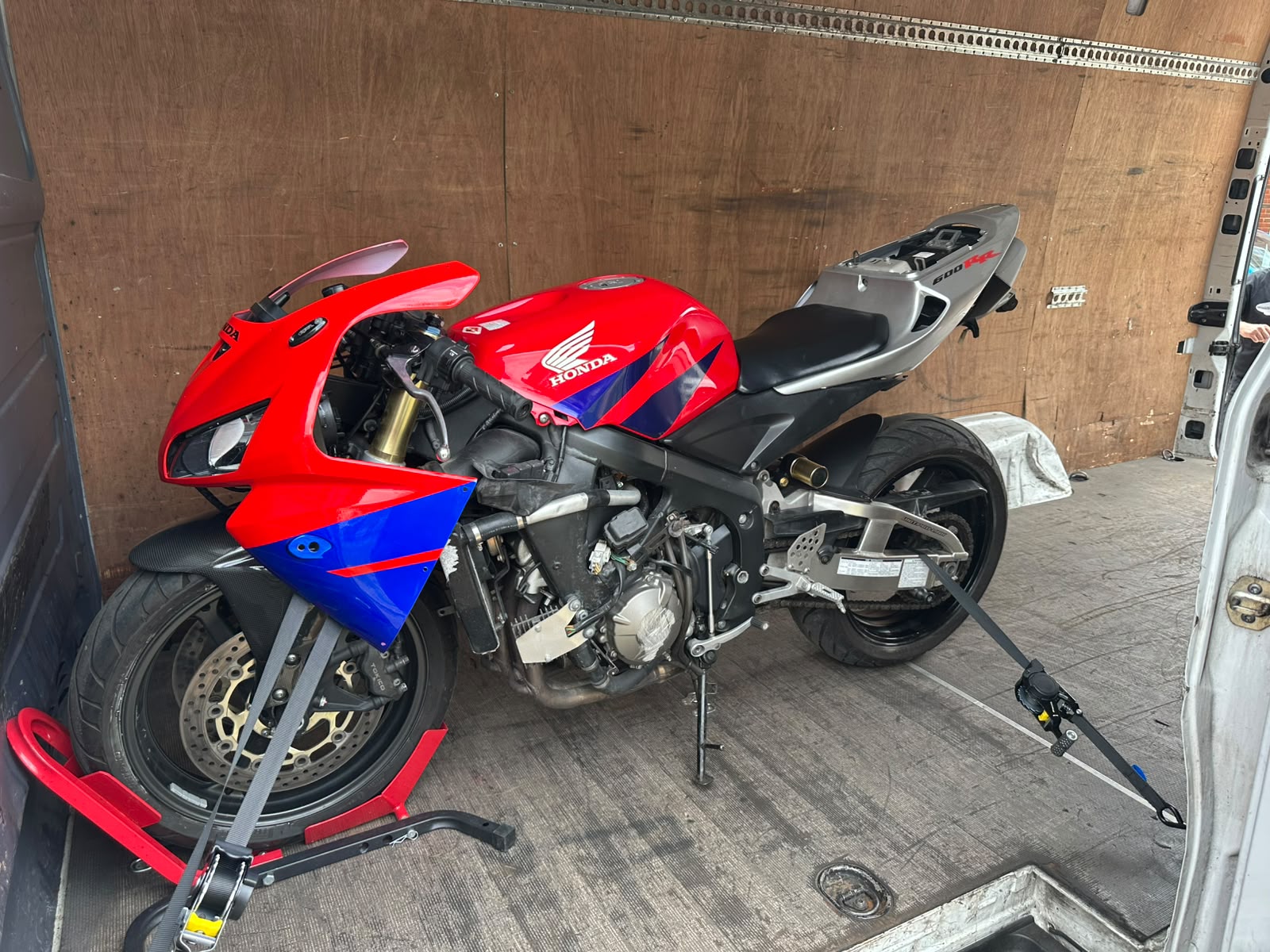
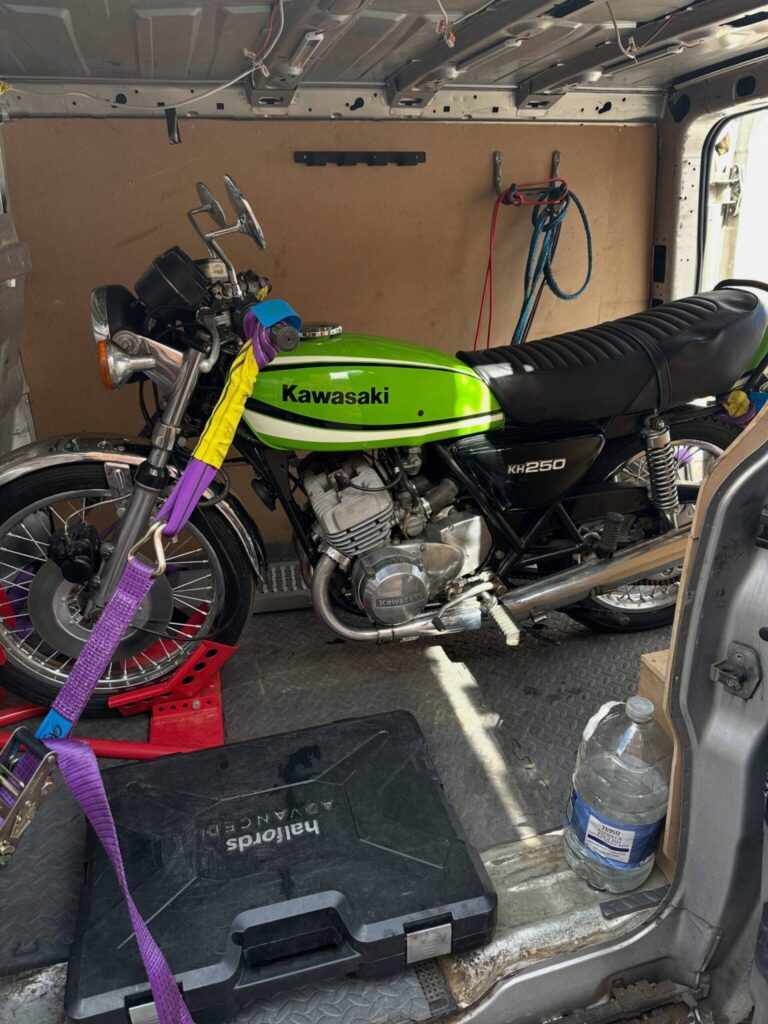
However, getting to and from the event typically requires loading your dedicated dirt bike onto a transport solution designed to get it there and back safely and effectively, rather than simply riding to the race and back.
Why? There are a lot of benefits to having dedicated bike transport, from peace of mind when it comes to its condition, extra comfort when driving or riding to the track yourself and fewer miles added to shocks, tyres and engine components that could wear out.
Beyond that, however, the bigger reason is that, much like track day cars, not every motocross bike can even be driven on the road, even if you want to.
Dirt bikes are legal to ride on private land with the landowners’ permission, as is the case for basically any type of vehicle, but motocross bikes that are tuned and prepared for off-road use are unlikely to be street legal.
The rules are rather specific, but the most common pitfalls for motocross bikes on the road are:
- Meeting noise pollution and emissions standards, which requires changing the exhaust
- Adding headlights, tail lights, brake lights and indicators
- Braking systems which meet the standards for road use and typically have ABS or linked braking systems
- A calibrated steering wheel
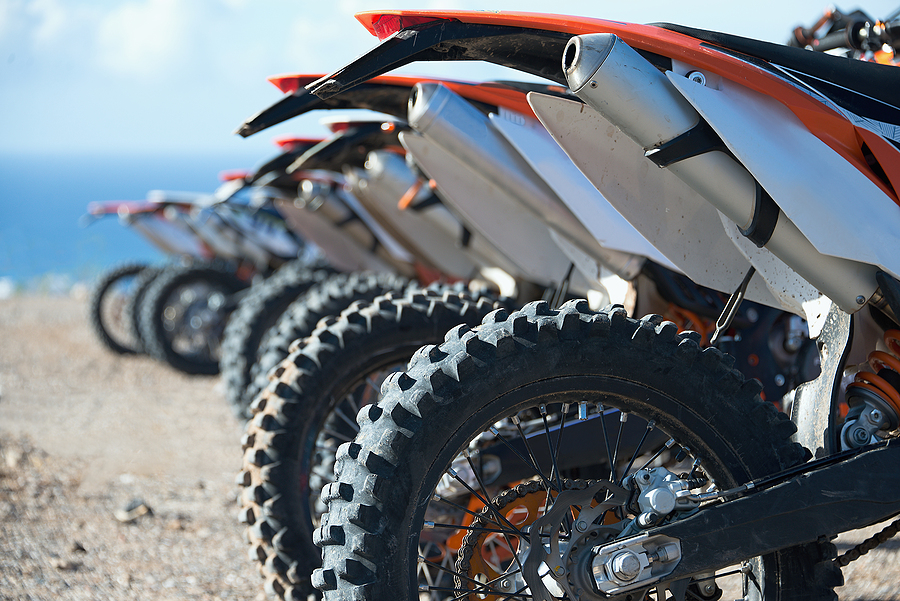
- Road tyres rather than the grippy, knobbly dirt tyres typically used
It is possible to either modify a dirt bike (at great expense) to meet the rules or buy a street-legal dirt bike that is designed to be used on the road and occasionally off-road, but it is often more fun and more cost-effective to have one bike for the road and one for the dirt.